November 26, 2025
Gutters form a critical part of home maintenance, playing an essential role in directing rainwater away from the foundation and preventing damage. When gutters fail, the repercussions can be severe, from basement flooding to structural damage. Understanding when to replace your gutters can save significant repair costs and protect the integrity of your home. This article will explore the common reasons that necessitate a full gutter replacement. By understanding these causes, homeowners can take preventive measures to maintain their property's value and aesthetic appeal.
1. Experiencing Severe Weather Damage
Severe weather events can wreak havoc on gutter systems, often requiring complete replacement. Hailstorms are particularly damaging, as they can dent and puncture gutters, compromising their ability to channel water efficiently. When gutters are damaged by hail, it can lead to leaks which may cause further water intrusion into the home. Additionally, the after-effects of such a storm are often not immediately apparent, leading homeowners to delay necessary repairs. To prevent worsening conditions, it's crucial to inspect gutters after severe weather events and replace damaged sections promptly.
Aside from hail, heavy snow can also cause significant stress to gutters, especially if they are not constructed to handle such weight. The build-up of snow and ice can weigh down gutters, causing them to pull away from the house or collapse entirely. This is particularly concerning in northern climates, where snow accumulation is frequent. Regular maintenance and timely upgrades can help mitigate these risks. Investing in heated gutters or regularly clearing snow can extend their lifespan, but sometimes the only solution is a full gutter replacement.
Wind-induced distortions are another consequence of severe weather that can affect gutter function. Strong winds can dislodge gutter segments or bend them, preventing proper water flow. Over time, these distortions can lead to further detachment and inefficiency. Like hail and snow, wind damage may not be immediately evident, making regular inspections essential. If left unchecked, these minor issues can develop into significant problems that necessitate a complete replacement of the gutter system.
2. Aging Materials
Gutters made from older materials often fall victim to the wear and tear associated with aging. Over the years, even the most durable materials can deteriorate, leading to inefficiencies in the gutter system. Aging gutters may begin to sag, leak or fail to direct water properly, which can cause damage to the fascia, roofing, and foundation of your home. It is crucial to monitor the condition of gutters as they approach the end of their lifespan. According to HomeAdvisor, gutters typically need replacement every 20 years to ensure proper drainage and avoid water damage.
Signs of corrosion are often indicative of aging gutter materials. This corrosion can manifest in rust, particularly in metal gutters, which can compromise their structural integrity. Once rust starts to appear, it often spreads rapidly, weakening the gutters and rendering them less effective. This leads to leaks and other forms of water damage if not addressed promptly. When corrosion is widespread, a full gutter replacement is often necessary to restore the effectiveness of the drainage system.
Another issue arises from the breakdown of sealants and caulking in aged gutters. Over time, these materials lose their elasticity and effectiveness, allowing water to seep through joints and connections. As these seals weaken, gutters may leak or become detached from the home. Regular maintenance and inspection can catch these issues early, but in many cases, replacing the entire gutter system turns out to be more economical in the long run. Aging gutters thus present an ongoing challenge that requires both vigilance and timely intervention.
3. Considering Poor Installation
Poor installation practices can drastically reduce the lifespan of the system and make gutter replacement necessary far sooner than expected. One common issue is incorrect pitch and alignment, which prevents gutters from effectively routing water away from the home. When gutters are not properly pitched, water can pool, leading to overflow and potential water damage. Additionally, gutters that are not aligned correctly may not sit flush against the building, affecting their functionality. Consulting professionals for gutter installation can avoid these pitfalls and save homeowners from unnecessary expenses.
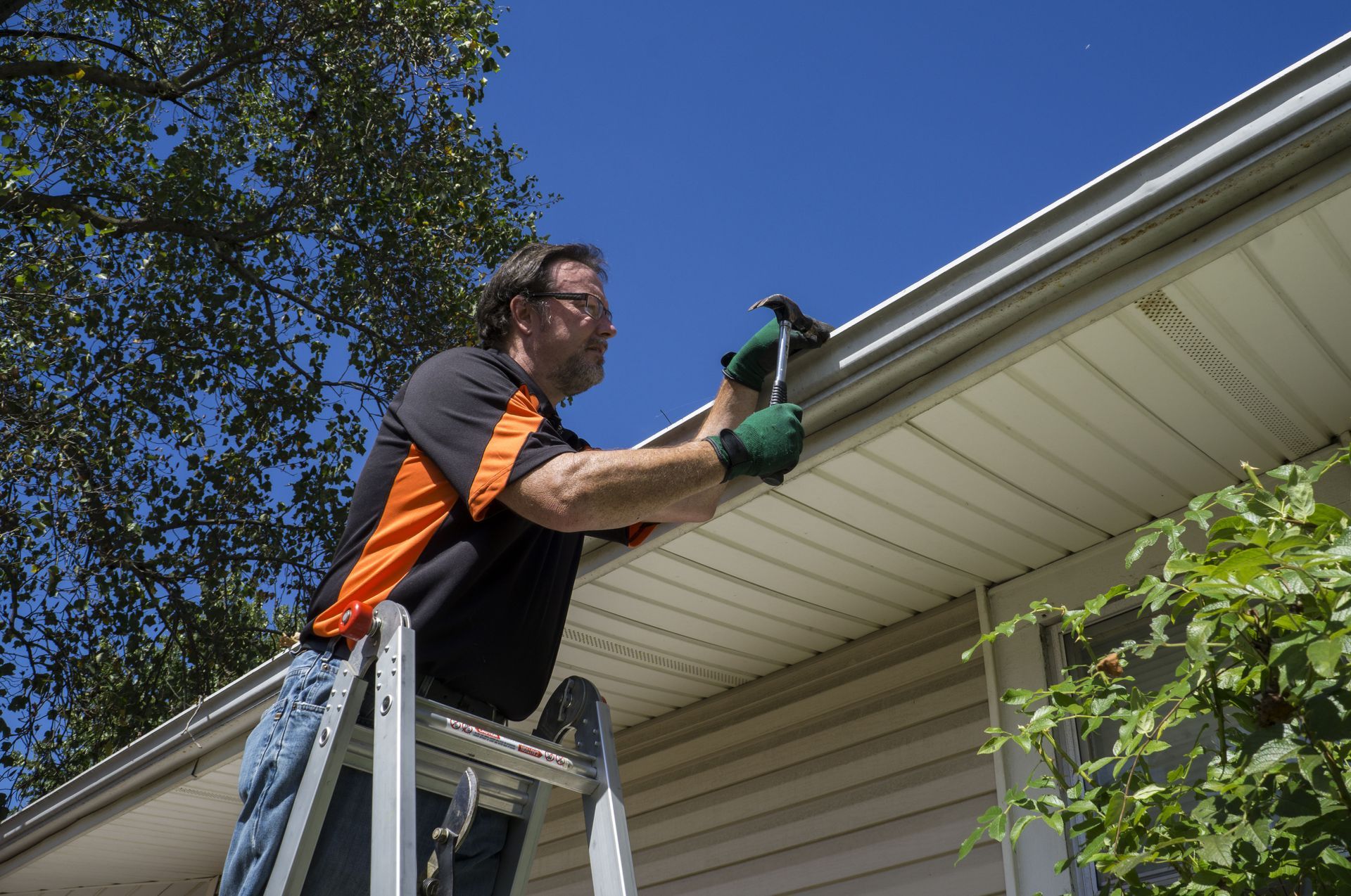
Loose fasteners and brackets often result from subpar installation methods. If these components are not securely attached, gutters can begin to sag or detach from the fascia, leading to inefficiencies in water drainage. A system with loose connections is more likely to collapse during heavy rainstorms, making immediate repair or gutter replacement essential. Addressing these installation mistakes soon after they occur can prevent further deterioration. Poor installation thus highlights the importance of hiring skilled professionals for gutter work.
Inadequate joint sealing is another hallmark of poor installation that can lead to significant water damage. When joints between gutter segments are improperly sealed, leaks occur, allowing water to escape and accumulate along the foundation or siding of a home. This leakage not only risks water intrusion but also contributes to mold growth and structural damage. Given these potential risks, it is crucial to ensure that all joints are properly sealed and inspected regularly. If compromised, these joints often necessitate a complete gutter system overhaul.
4. Overflowing and Blockages
Overflowing and blockages in gutters are common problems that can severely impede their function. Clogs typically result from debris accumulation, such as leaves, twigs, and other organic materials, especially during the fall. These blockages prevent water from flowing freely, causing gutters to overflow and spill water close to the house. Overflowing water not only damages the exterior walls but can also seep into the foundation, leading to costly repairs. Regular cleaning and maintenance are essential to prevent these blockages, but severe cases may require a full gutter replacement.
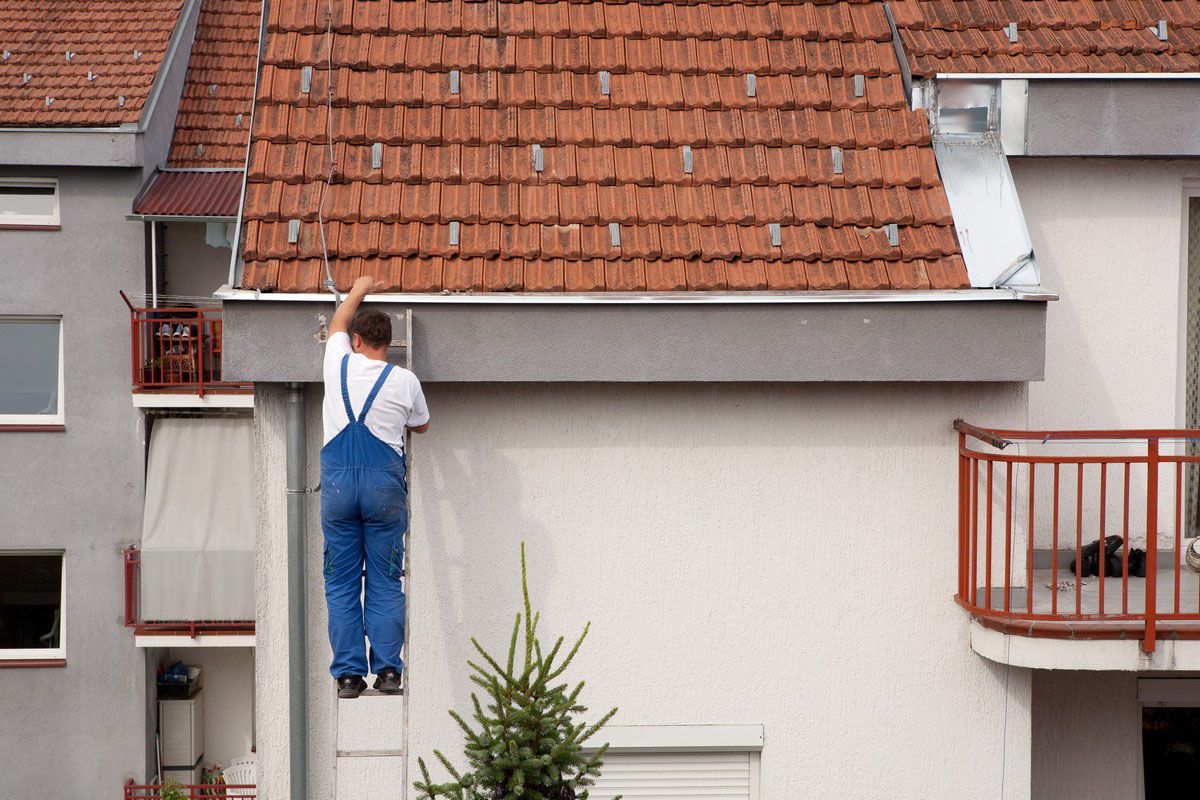
The impact of untrimmed trees is another significant factor leading to overflowing and blockages in gutters. When tree branches overhang a house, debris is more likely to fall directly into the gutter system. This can exacerbate clogging issues and require frequent clearing to maintain functionality. In addition to exacerbating clogs, untrimmed trees can also damage gutters during storms, increasing the likelihood of leaks and other failures. Therefore, homeowners should consider trimming nearby trees or installing gutter guards as preventive measures.
Another cause of gutter overflow is poor drainage which is often the result of insufficient downspout connections. Without adequate drainage, water can pool in sections of the gutter and eventually spill over, causing damage to the siding and foundation. Ice dams can become a problem in cold climates, as pooled water freezes and exacerbates blockage issues. Wildlife intrusions also contribute to blockages; birds and small animals nesting in gutters can cause significant obstructions, rendering them ineffective. When drainage problems persist, a full gutter replacement may be necessary to correct underlying structural issues within the system.
5. Seeing Structural Issues
Structural issues within a home can often be traced back to faulty gutter systems. One prevalent problem is water damage to fascia boards, usually stemming from gutters that overflow or leak. When fascia becomes waterlogged, it can rot and weaken, compromising the support for the gutter system and potentially requiring gutter replacement. This situation underscores the necessity of monitoring and maintaining gutter integrity to prevent cascading structural issues. Once water damage becomes extensive, it impacts not only gutters but also roofing and siding components.
Moisture in the attic often results from faulty gutters failing to channel water appropriately. When gutters overflow, water can back up against rooflines and seep into attics, promoting mold growth and rot within roof structures. Moist conditions threaten wood integrity, which can result in costly roof repairs or replacements. Ensuring that gutters effectively manage water flow protects against these internal issues. In severe cases, replacing old or malfunctioning gutters becomes unavoidable to safeguard the home's internal environment.
Foundation cracks related to gutter issues present another critical concern. When gutters fail to route water away efficiently, collected water can damage the property's foundation, leading to cracks and settling issues. This not only undermines the structural base of the building but also elevates repair costs significantly. Warping and sagging gutters can further contribute to water misdirection and stress on the home's structure. For homeowners, these issues emphasize the invaluable role gutters play in overall structural health, often necessitating full gutter replacement to provide long-term stability.
6. Considering Design and Aesthetic Upgrades
Beyond functional needs, upgrading gutters for design and aesthetic reasons is increasingly popular among homeowners. Enhancing curb appeal often includes replacing outdated or unsightly gutters with modern, visually appealing options. This not only improves the aesthetic value of the home but can also positively impact its market value. When combined with functionality, aesthetic upgrades in gutters can offer dual benefits, leading to a more harmonious and visually pleasing facade. For homeowners looking to sell, investing in new, stylish gutters can be a fruitful decision.
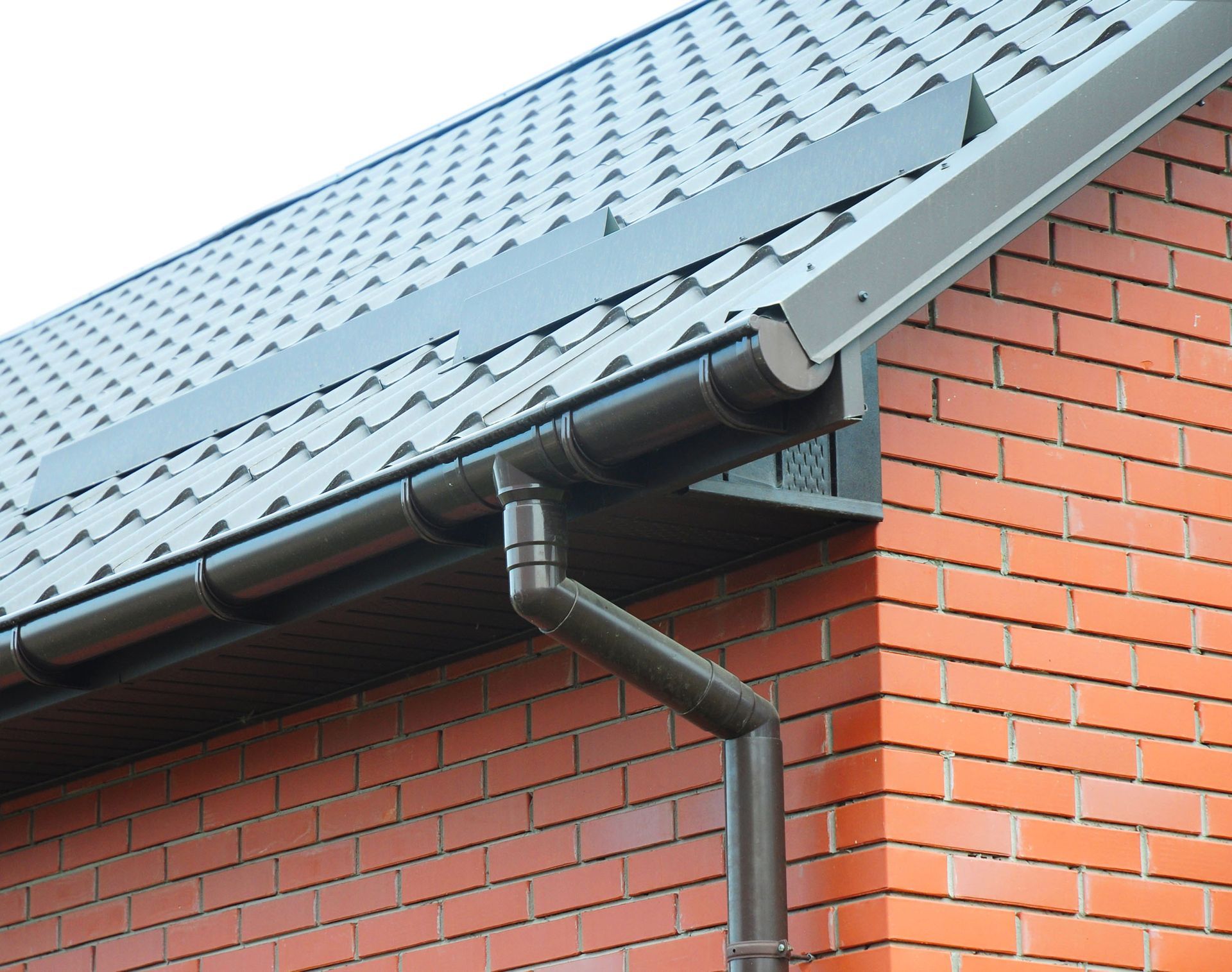
Switching to seamless gutters represents a significant aesthetic and functional upgrade over traditional segmented options. Seamless gutters offer a sleek appearance with fewer joints, translating to decreased opportunities for leaks and improved water flow. Modern advancements in materials allow for more color and style customization, enabling homeowners to match the gutters with their exterior design. Customization capabilities help homeowners maintain the architectural integrity of their homes while preventing water damage effectively. These seamless systems underscore the value of investing in high-quality, modern solutions for long-term peace of mind.
Increasing gutter capacity is another reason to consider an upgrade, as older systems may struggle to manage increased precipitation levels. Modern gutter systems are designed to handle larger volumes of water efficiently, reducing overflow risks in heavy rain. Integrating modern gutter technologies can also offer additional features such as self-cleaning screens or built-in heating elements to combat ice dam formation. New materials such as vinyl or coated metal provide improved resilience against weather impacts and extend lifecycle expectancy. These innovations support the case for replacing outdated gutter systems with contemporary, efficient options.
Recognizing the various reasons that necessitate a full gutter replacement is key to maintaining home integrity and enhancing curb appeal. From weather damage and aging materials to poor installation practices, overflow issues, and design upgrades, understanding these factors allows homeowners to make informed decisions. Regular inspection and maintenance are paramount in preventing severe damage and costly repairs, emphasizing the importance of professional assessments. Considering a proactive approach to gutter management can prevent larger structural issues and sustain home value. Ultimately, investing in a full gutter replacement when needed aids in protecting your property from environmental stressors and enhances its look and function. If you're looking for a gutter replacement, contact Flow-Rite Seamless LLC today.